- 1Node AI
- Posts
- Navigating New AI Frontiers

Introduction / Editor's Note:
In this issue, we’ll explore OpenAI’s bold push into device design, Mistral’s latest open-source marvel, Google’s evolving search monetization strategy, and more. Plus, I’ll share some quick thoughts on why the convergence of hardware and AI software is the next frontier to watch.
OpenAI has brought on board Jony Ive, former Apple design chief, to lead its newly formed device division, marking a major step into AI hardware. This hire signals OpenAI’s ambitions to craft consumer-facing AI products that rival the best in industrial design.
The details:
- Jony Ive joins as Head of Device Design, reporting directly to OpenAI’s CPO.
- Ive’s accomplishments include iconic products like the iPhone, iPad, and MacBook.
- The division will focus on AI-powered consumer electronics, tentatively named “OpenAI Device.”
- OpenAI aims to leverage Ive’s design expertise to differentiate its hardware in a crowded market.
Why it matters: This strategic hire underscores the importance of sleek, user-centric hardware in the AI era, hinting at potential new product categories and broader consumer adoption of AI-driven devices.
Sam & Jony introduce io
— OpenAI (@OpenAI)
5:00 PM • May 21, 2025
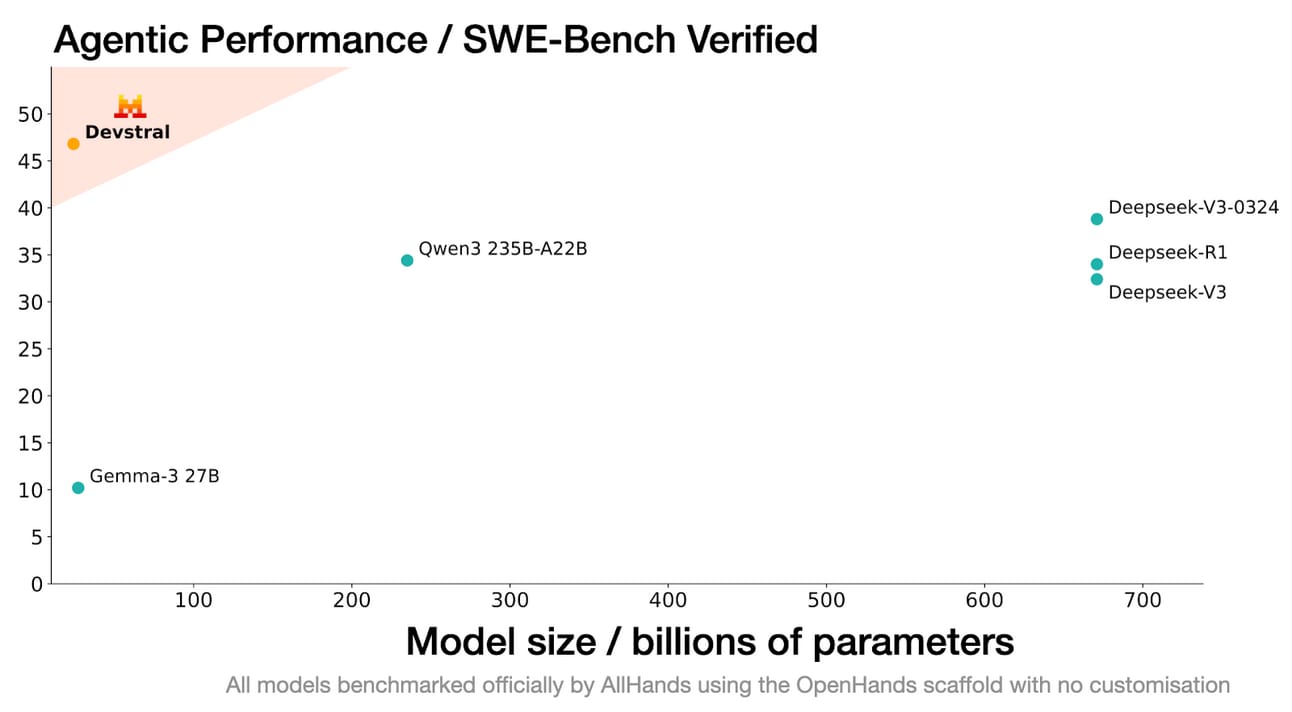
Mistral AI has released Devstral, a 24-billion-parameter open-source model optimized for code generation and software development tasks, promising to accelerate developer workflows and foster community-driven innovation.
The details:
- Devstral’s architecture is tailored for code completion, refactoring, and debugging.
- Achieves state-of-the-art performance on benchmarks like HumanEval and MultiPL-E.
- Fully open-sourced under Apache 2.0 license and available on GitHub.
- Integrates with popular IDEs via plugins for seamless developer experience.
Why it matters: By open-sourcing a powerful coding model, Mistral lowers barriers for developers to leverage AI in software creation, potentially democratizing advanced code assistance and innovation.
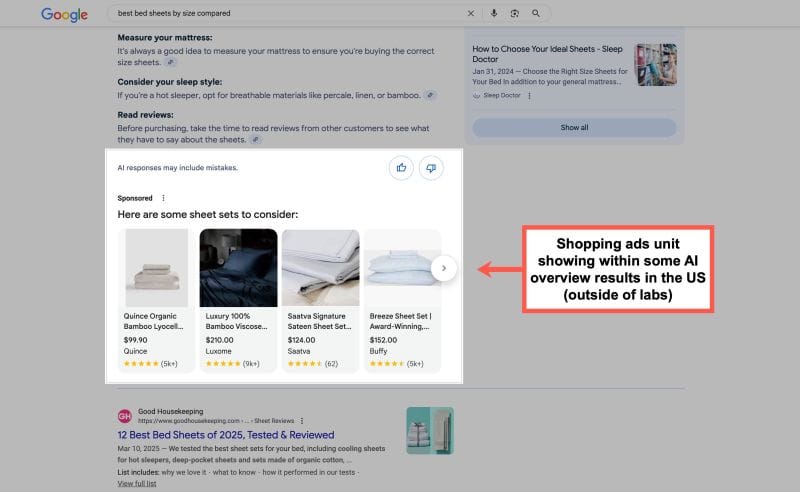
Google has announced plans to embed sponsored links directly into responses generated by its AI Mode for U.S. users, blending search monetization with conversational AI experiences and raising questions about neutrality and user trust.
The details:
- Sponsored results will be labeled and integrated into AI-generated answers.
- Initial rollout targeted at U.S. English users of Google Search Labs.
- Advertisers can bid for placement within AI Mode responses.
- Google asserts transparency through clear labeling and disclosure statements.
Why it matters: This move represents a shift in how digital advertising intersects with AI-driven search, balancing revenue generation against potential concerns over bias and user experience.
The FBI’s Cyber Division has issued an urgent alert about a sharp increase in AI-powered phishing and social engineering scams, leveraging deepfake audio and AI-generated text to deceive victims and steal sensitive data.
The details:
- Reported incidents of AI-generated voice deepfakes impersonating executives rose by 300% in six months.
- Phishing emails now include AI-crafted messages tailored to individual targets.
- Major sectors affected include finance, healthcare, and corporate communications.
- FBI recommends multi-factor authentication and AI-based email filters as defenses.
Why it matters: As AI tools become more accessible, cybercriminals gain sophisticated methods to conduct fraud, highlighting the need for robust security measures and AI-based defenses to protect organizations and individuals.
Opera’s new browser, Neon, introduces three AI buttons—Chat, Do, and Make—enabling users to write code, design web pages, and automate tasks directly within the browser, aiming to streamline productivity and lower technical barriers.
The details:
- Chat: Conversational AI for coding assistance, troubleshooting, and general queries.
- Do: Automates repetitive browser tasks like form filling and data extraction.
- Make: Transforms design inputs into HTML/CSS templates and prototypes.
- Includes privacy controls ensuring user data remains local when possible.
Why it matters: By embedding AI capabilities into a web browser, Opera is pioneering a new workflow paradigm that fuses browsing, development, and automation, potentially reshaping online productivity tools.
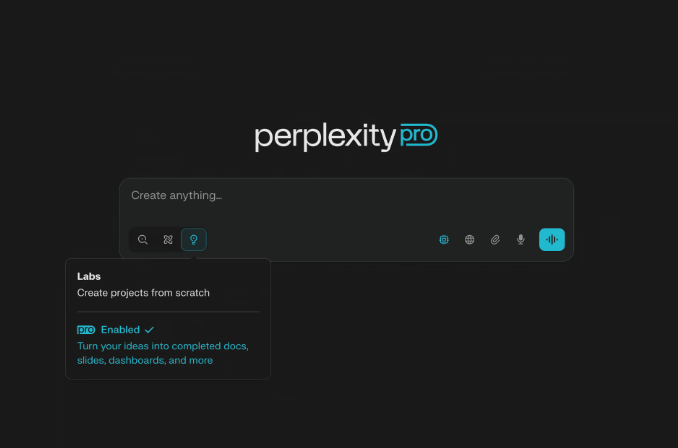
Perplexity AI’s latest feature converts search results into dynamic, interactive applications—dashboards, spreadsheets, and mini-apps—allowing users to visualize data insights and perform analyses without manual coding.
The details:
- Users input a query and select an app template (e.g., dashboard, chart, spreadsheet).
- The system auto-generates interactive visualizations and data pipelines.
- Supports real-time data connections from APIs and databases.
- Collaboration features enable sharing and editing within teams.
Why it matters: This innovation democratizes data analysis by letting non-technical users create sophisticated tools, bridging the gap between raw search results and actionable insights.
Today we're launching Perplexity Labs.
Labs is for your more complex tasks. It's is like having an entire team at your disposal.
Build anything from analytical reports and presentations to dynamic dashboards. Now available for all Pro users.
— Perplexity (@perplexity_ai)
5:27 PM • May 29, 2025
See you next week!
Thanks for reading! If you enjoyed this newsletter, feel free to share it with colleagues and send us your feedback. Stay tuned for next week’s edition!
~ The 1 Node team
Reply